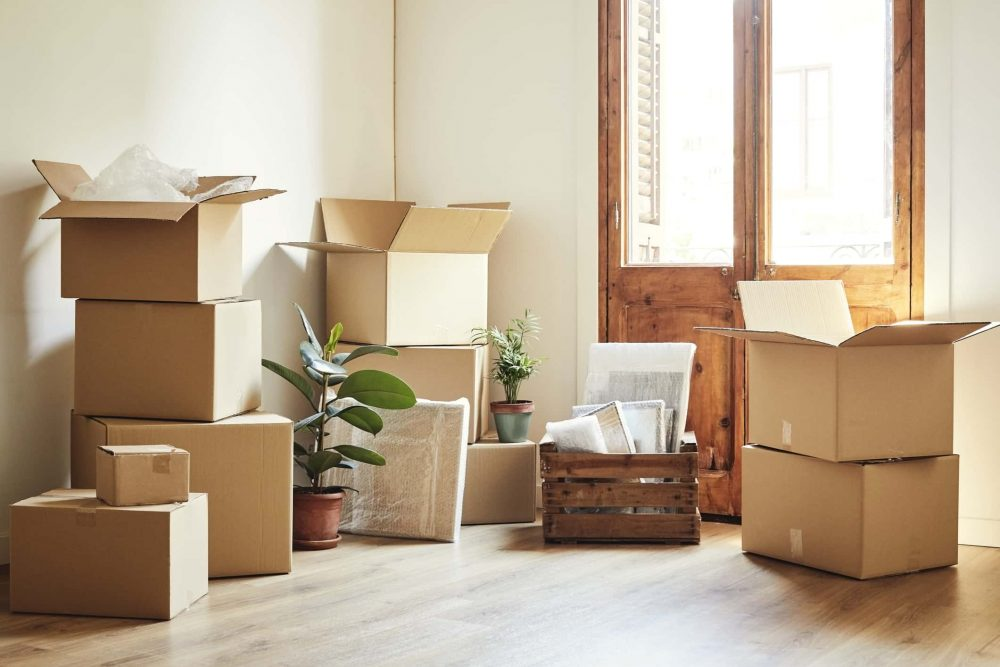
Moving day is often the busiest and most demanding part of the entire relocation process. While most of your belongings will be packed inside moving boxes, there are certain essentials you’ll need immediate access to throughout the day. Searching through dozens of sealed boxes for a phone charger, medications, important documents, or basic toiletries can quickly add unnecessary stress to an already hectic day. Creating a well-organized moving day survival kit helps ensure that everything you need is within easy reach. Choosing Tetrisflytt can simplify your relocation while you focus on keeping your most important belongings organized and accessible.
A moving day survival kit acts as your personal emergency bag during the transition. Instead of unpacking multiple boxes just to find basic necessities, you’ll have everything prepared in one convenient place. Whether you’re moving locally or to another city, this simple preparation can make your relocation significantly more comfortable and efficient.
A carefully packed survival kit benefits every member of the household and helps reduce stress from the moment moving begins until you’re comfortably settled into your new home.
Choose the Right Bag
Start by selecting a sturdy, easy-to-carry bag.
Suitable options include:
- Backpack
- Duffel bag
- Small suitcase
- Rolling carry-on
Choose something that remains with you rather than being loaded onto the moving truck.
Pack Important Documents
Keep essential paperwork together inside a waterproof folder.
Include:
- Identification
- Property documents
- Rental agreements
- Insurance papers
- Medical information
- Moving contracts
Never pack these documents inside regular moving boxes.
Carry Essential Medications
Pack enough medication for several days.
Include:
- Prescription medicines
- Pain relievers
- Allergy medication
- First aid supplies
Easy access to medication is especially important during long moving days.
Bring Phone Chargers
Keep chargers for:
- Mobile phones
- Tablets
- Laptops
- Smartwatches
A portable power bank is also useful if charging outlets are unavailable.
Prepare Basic Toiletries
Include personal hygiene items such as:
- Toothbrush
- Toothpaste
- Soap
- Shampoo
- Deodorant
- Hand sanitizer
- Toilet paper
Having these essentials available makes your first night much more comfortable.
Pack a Change of Clothes
Bring comfortable clothing suitable for moving.
Include:
- Fresh shirt
- Pants
- Socks
- Undergarments
- Pajamas
Weather-appropriate clothing is also important.
Carry Snacks and Water
Moving requires plenty of energy.
Pack:
- Bottled water
- Granola bars
- Fruit
- Crackers
- Nuts
Healthy snacks help maintain energy throughout the day.
Include Basic Cleaning Supplies
A few simple cleaning items can be extremely useful.
Pack:
- Paper towels
- Disinfecting wipes
- Trash bags
- Multi-purpose cleaner
These supplies help with quick cleanups before and after moving.
Keep House Keys Accessible
Store:
- Old house keys
- New house keys
- Garage remotes
- Mailbox keys
Use a dedicated zippered pocket to prevent losing them.
Bring Basic Tools
A small toolkit can be invaluable.
Include:
- Screwdriver
- Utility knife
- Measuring tape
- Flashlight
- Scissors
These tools are often needed immediately after arriving.
Pack Children’s Essentials
If moving with children, include:
- Favorite toys
- Snacks
- Coloring books
- Blankets
- Comfort items
Keeping children comfortable helps reduce moving-day stress.
Prepare Pet Supplies
If you have pets, bring:
- Food
- Water bowls
- Leash
- Waste bags
- Favorite toy
Keeping pet supplies nearby helps maintain their routine.
Carry Valuable Electronics Personally
Transport valuable devices yourself whenever possible.
Examples include:
- Laptop
- Camera
- Tablet
- External hard drive
Keeping expensive electronics with you provides extra security.
Include Emergency Contact Information
Write down important phone numbers in case your phone battery dies.
Include:
- Family members
- Moving company
- Real estate agent
- Landlord
- Emergency services
A printed list can be very helpful.
Keep Cash Available
Although digital payments are common, carrying a small amount of cash can be useful for:
- Parking
- Snacks
- Unexpected expenses
- Tips
Small emergencies are easier to handle with backup payment options.
Common Moving Day Survival Kit Mistakes
Avoid these common mistakes:
- Packing the survival kit onto the moving truck.
- Forgetting medications.
- Leaving chargers behind.
- Not bringing snacks or water.
- Packing important documents inside boxes.
- Forgetting house keys.
Careful preparation makes moving day much less stressful.
Frequently Asked Questions
Where should I keep my moving day survival kit?
Keep it with you at all times rather than placing it inside the moving vehicle.
What documents should be included?
Bring identification, insurance information, moving contracts, property documents, and important contact details.
Should I pack food?
Yes. Healthy snacks and bottled water help maintain your energy throughout the day.
Why is a basic toolkit useful?
Simple tools make it easier to assemble furniture, open boxes, and complete small tasks after arriving.
Final Thoughts
Creating a moving day survival kit is one of the easiest ways to reduce stress during a relocation. By gathering important documents, medications, toiletries, electronics, snacks, and essential supplies into one organized bag, you’ll have everything you need readily available throughout the moving process.
A well-prepared survival kit allows you to focus on settling into your new home instead of searching through countless boxes for everyday necessities. With thoughtful planning and careful organization, your moving day can be smoother, safer, and far more enjoyable from beginning to end.