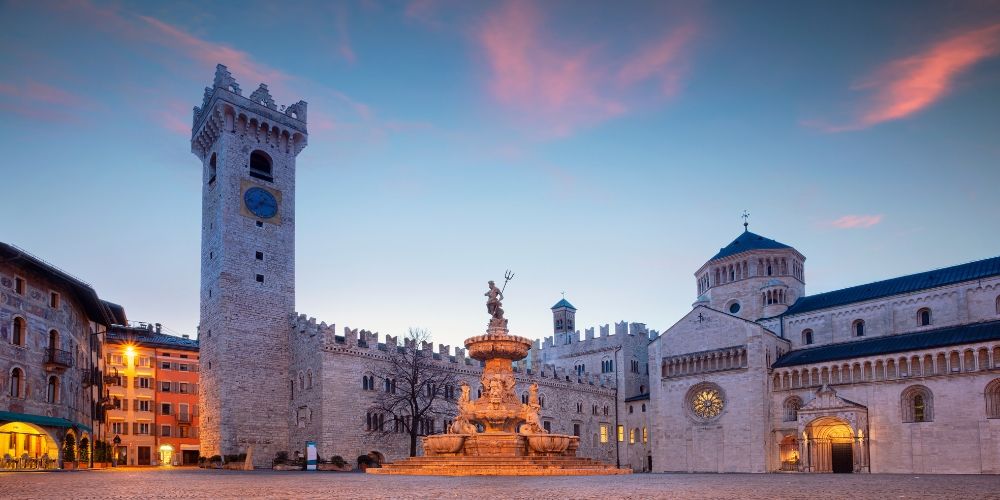
The Do the Right Thing Fair in Trento has become much more than a local event; it stands as a powerful annual gathering that encourages individuals, families, businesses, and communities to rethink the way they live, make choices, and contribute to a better world. Through education, engagement, and shared experiences, the fair fosters ethical living in a way that is both inspiring and actionable. The fair is connected with the organization and initiatives showcased at https://falacosagiustatrento.org/, a hub for spreading awareness about responsible behavior, social justice, and sustainable choices in everyday life.
The Roots of the Do the Right Thing Fair
Founded with the belief that ethical choices should be visible, accessible, and celebrated, the Do the Right Thing Fair in Trento was created to bring together diverse voices and stakeholders who share a vision of a just and sustainable society. From its earliest editions, the fair sought to highlight the many ways in which people can “do the right thing”—from adopting sustainable consumption habits to supporting social enterprises, from advocating for human rights to volunteering in community projects.
Trento, a city known for its cultural events and progressive ethos, provides a fertile backdrop for this fair. It brings together local residents, international visitors, nonprofit organizations, activists, educators, artists, and innovators, creating a vibrant space where ethical living is not just discussed but practiced.
A Celebration of Ethical Choices
One of the most impactful aspects of the fair is its ability to celebrate ethical choices without judgment. Instead of preaching, the event invites curiosity and reflection. Attendees are exposed to a wide range of positive examples that demonstrate how ethical living can be incorporated into daily routines.
Workshops on sustainable fashion teach people how to choose clothing that respects both the environment and the rights of workers. Panels on food waste and ethical eating provide practical tips on reducing waste at home and choosing local, fair-trade products. Exhibits on social innovation showcase how entrepreneurial efforts can serve both purpose and profit.
By bringing these topics into a public, festive setting, the Do the Right Thing Fair normalizes ethical choices. Visitors leave not with guilt, but with knowledge, inspiration, and the confidence to make changes that align with their values.
Empowering Individuals Through Knowledge
At the heart of the fair is education. Knowledge is presented in accessible formats—interactive booths, storytelling sessions, guided tours, and participatory activities. Rather than overwhelming attendees with technical jargon, the fair uses compelling narratives and real-life examples to connect ethical concepts with everyday decisions.
For example, a workshop on mindful consumption might include a hands-on activity where participants calculate the environmental impact of everyday products. A session on digital citizenship could help attendees understand the ethical implications of privacy, data use, and online behavior. This approach not only informs but empowers participants to make thoughtful decisions in their personal lives.
Another key educational feature is the visibility given to local and grassroots initiatives. By providing a platform for small organizations and community projects, the fair bridges the gap between global ethical issues and local action. Visitors can meet the people behind environmental, social, and cultural initiatives, ask questions, and get involved.
Building Community and Connection
One of the most inspiring outcomes of the Do the Right Thing Fair is the sense of community it nurtures. Ethical living is often perceived as an individual endeavor, but the fair emphasizes that collective action strengthens impact. The event creates a space where people meet others who care about similar issues, share experiences, and build networks.
This sense of connection is evident in the variety of collaborative activities hosted during the fair. Group challenges encourage cooperation, discussions invite diverse viewpoints, and shared meals offer opportunities to connect over ethical food choices. The fair becomes a living example of how ethical principles—respect, dignity, empathy—can shape social interactions.
In many cases, these connections extend beyond the event itself. Participants form partnerships, join community projects, start ethical businesses, or become advocates in their own networks. By facilitating these connections, the fair contributes to a ripple effect that extends far beyond the few days it occupies in the annual calendar.
Inspiring Businesses and Institutions
The Do the Right Thing Fair also influences local businesses and institutions. Exhibitors include social enterprises, ethical brands, cooperatives, and nonprofit organizations that demonstrate how ethical values can be integrated into business models. These examples showcase alternative approaches to production, distribution, and corporate responsibility.
For local businesses, participating in the fair offers visibility, networking opportunities, and the chance to receive direct feedback from conscious consumers. Many businesses report that involvement in the fair has helped them refine their values, develop new partnerships, and attract customers who appreciate their ethical commitments.
Institutions such as schools, universities, and municipal bodies also take part in the fair, using it as a platform to promote educational programs, sustainable policies, and civic initiatives. By engaging with these stakeholders, the fair strengthens the public conversation about ethics, sustainability, and social responsibility at a structural level.
Inspiring Youth and the Next Generation
Perhaps one of the most impactful aspects of the fair is its appeal to younger generations. Children and youth are invited to participate in dedicated workshops, creative spaces, and interactive experiences that make ethical concepts tangible and fun. From art installations addressing social justice to games that explore environmental stewardship, young visitors learn through play and collaboration.
Teachers and educators also use the fair as an extension of classroom learning. School groups attend with curiosity and excitement, engaging with topics that relate to their studies in social sciences, science, and humanities. By making ethics accessible and relevant, the fair helps nurture a generation of thoughtful, engaged citizens.
The Role of Volunteers and Civic Engagement
Volunteers play a crucial role in the success of the Do the Right Thing Fair. Their energy, passion, and commitment reflect the very spirit of ethical living that the fair promotes. Volunteers assist in organizing workshops, guiding visitors, sharing information, and supporting logistics.
Civic engagement is both a value and a practice at the fair. By participating, volunteering, or even contributing ideas, individuals experience firsthand how democratic participation and community involvement can lead to meaningful change. This active engagement helps break down the barrier between awareness and action, showing that everyone has a role to play.
Challenging Comfort Zones and Encouraging Reflection
The fair does more than celebrate ethical living; it challenges visitors to reflect critically on their choices. Thought-provoking exhibitions and discussion panels encourage introspection. Attendees are invited to ask difficult questions about consumption, privilege, inequality, and responsibility.
This reflective aspect is vital. Ethical living is not about perfection; it is about awareness, intent, and continuous effort. The fair creates a supportive environment where people can confront uncomfortable truths, learn from others, and take steps toward growth. It encourages empathy over judgment and curiosity over defensiveness.
Lasting Impact Beyond the Fair
The influence of the Do the Right Thing Fair extends long after the last booth is packed away. By sharing practical tools, inspirational stories, and community connections, the event leaves participants with a renewed sense of purpose. Many attendees report feeling motivated to adopt new habits such as reducing waste, supporting ethical brands, volunteering for causes they care about, or engaging in civic initiatives.
The fair also amplifies its impact through online platforms, including https://falacosagiustatrento.org/, where resources, stories, and ongoing opportunities for engagement are shared year-round. This continuity ensures that the inspiration sparked during the fair can evolve into sustained action.
Conclusion
The Do the Right Thing Fair in Trento is a remarkable example of how a community-centered event can inspire ethical living in profound and lasting ways. It educates, connects, celebrates, challenges, and empowers individuals to live more consciously and compassionately. By making ethical choices visible and joyful, the fair transforms abstract values into lived experiences.
As ethical living continues to grow as a global concern, events like this fair serve as crucial incubators for ideas, relationships, and practices that make a real difference. Whether through sustainable consumption, social responsibility, community engagement, or personal reflection, the Do the Right Thing Fair ignites a collective commitment to doing good—one choice at a time.