Introduction
Caring for pets is a rewarding responsibility, but managing their everyday needs can sometimes feel overwhelming. From feeding schedules and grooming sessions to playtime, cleaning, and health-related essentials, pet owners often have numerous supplies to keep track of. When these items are scattered around the house, simple routines can become time-consuming and frustrating. Organizing pet supplies properly can make daily care easier, improve household cleanliness, and help create a comfortable environment for both pets and their owners.
Whether you have a playful puppy, an independent cat, or several pets with different needs, a well-organized system can make a noticeable difference. Instead of searching for a leash before a walk or looking for grooming tools when your pet needs brushing, you can keep everything in designated places and access it whenever necessary.
Modern pet care also includes a growing range of convenient products, including automatic feeders, water fountains, interactive toys, and grooming accessories. These products can support everyday routines when they are selected carefully and maintained correctly. However, owning useful products is only part of the solution. Knowing where to store them, how to maintain them, and when to use them is equally important.
For pet owners looking for practical solutions, rojeco co uk is a UK-based Shopify store selling smart pet products for cats and dogs, including automatic and WiFi pet feeders, cat water fountains, remote dog training collars, smart cat toys, and grooming tools for English-speaking pet owners. Exploring products from this store can help owners consider different ways to support their pets’ daily routines while maintaining a more organized home.
This guide explains how to organize pet supplies effectively, choose suitable storage solutions, maintain cleanliness, and develop simple habits that make everyday pet care more manageable.
1. Start by Taking Inventory of Your Pet Supplies
Before purchasing storage containers or rearranging cupboards, begin by identifying everything you already own. Many pet owners accumulate supplies gradually, making it easy to forget about unused toys, duplicate accessories, or products hidden in drawers.
Taking inventory helps you understand what needs to be stored and how much space your pet’s belongings require.
Gather Supplies From Every Room
Collect pet-related items from the kitchen, living room, bedroom, bathroom, garage, and any other areas where they may be stored. Place them in one location so you can see the full collection.
Your inventory might include:
- Dry food, wet food, and treats
- Food bowls and water bowls
- Automatic feeders and water fountains
- Leashes, collars, harnesses, and identification tags
- Brushes, combs, nail clippers, and grooming products
- Toys, scratching accessories, and enrichment equipment
- Pet bedding, blankets, and travel carriers
- Waste bags, cleaning cloths, and pet-safe cleaning supplies
- Medication and veterinary care records
Once everything is gathered, inspect each item for its condition. Remove damaged toys, discard expired products according to their labels, and identify supplies your pet no longer needs.
Separate Essential Items From Occasional Supplies
Not every pet product needs to be immediately accessible. Food bowls, leashes, and daily grooming tools may be used frequently, while travel carriers or seasonal accessories may only be needed occasionally.
Create three simple categories: daily essentials, occasional-use supplies, and items that should be discarded or replaced.
This first step prevents unnecessary purchases and gives you a clearer picture of your storage requirements.
2. Create Dedicated Zones for Different Pet Care Activities
One of the most effective ways to organize pet supplies is to divide your home into functional zones. Each zone should support a specific activity, such as feeding, grooming, cleaning, or playing.
This approach reduces clutter because every item has a logical location.
Establish a Feeding Station
A feeding station keeps bowls, food containers, measuring scoops, and feeding equipment together. Choose a location that is easy to clean and comfortable for your pet.
For cats and dogs, the feeding area should be away from household waste, strong cleaning chemicals, and other potential contaminants. Cats may also benefit from having their water positioned separately from their food, depending on their preferences.
Store dry food in its original packaging inside a suitable airtight container when appropriate, retaining the label and expiry information. Keep wet food according to its packaging instructions, refrigerating opened portions when required.
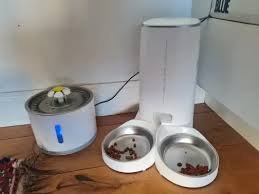
If you use an automatic feeder, reserve enough space for the device, its power connection, and any removable components that require cleaning. Keep cables out of reach of curious pets and follow the manufacturer’s setup instructions.
Design a Grooming Station
A grooming station makes brushing and basic coat care easier to manage. It could be a small bathroom shelf, a labelled basket, or a drawer near an area where your pet is comfortable being groomed.
Store brushes, combs, pet-safe shampoo, towels, and other appropriate grooming tools together. Keep sharp tools secured and separate from items that children or pets could access.
For products that require rinsing or drying, ensure they are completely dry before putting them away. This helps prevent unpleasant odours and reduces the chance of moisture accumulating inside storage containers.
Set Up a Walking and Outdoor Zone
Dogs often need several accessories before leaving the house. Keeping these items near the main entrance can simplify walks and reduce last-minute searching.
A practical walking station may contain:
- A leash and properly fitted harness
- Waste bags
- A towel for muddy paws
- Reflective accessories for low-light conditions
- A portable water bottle and travel bowl
- Weather-appropriate outdoor gear
Use hooks or a wall-mounted organiser for lightweight accessories, making sure they are securely installed and positioned safely out of pets’ reach.
3. Choose Storage Solutions That Match Your Space
Effective organization does not require an expensive renovation. The best storage solution is one that fits your home, accommodates your supplies, and remains easy to maintain.
Before buying anything, consider how much space you have available and whether the storage area is accessible without creating hazards for your pet.
Use Clear Containers for Everyday Essentials
Transparent containers allow you to identify their contents quickly. They are especially useful for small toys, grooming accessories, spare collars, and packaged treats.
For food, select containers specifically suitable for food storage. Keep the original packaging or product information available, and avoid transferring food into containers that are difficult to clean or may not be appropriate for food contact.
Choose containers with secure lids to help protect their contents from moisture, insects, and curious animals.
Make Use of Vertical Space
Small homes and flats can benefit from vertical storage. Shelves, hooks, and wall-mounted organisers can free up floor space while keeping supplies accessible.
However, secure shelving properly and avoid placing heavy objects above pet beds or frequently used walking areas. Keep dangling cords, unstable decorations, and potentially dangerous objects away from animals.
Vertical storage works particularly well for leashes, lightweight towels, sealed accessory boxes, and labelled baskets.
Repurpose Existing Furniture
You may already have suitable storage furniture in your home. A spare drawer, a small cabinet, or a section of a utility cupboard can become a dedicated pet supply area.
Repurposing existing furniture is often more economical than buying a completely new storage system.
Use small dividers to separate accessories and place frequently used items near the front. Reserve higher shelves or securely closed cupboards for products that must remain inaccessible to pets.
4. Organize Pet Food and Treats Safely
Food storage deserves particular attention because poor organization can affect freshness, hygiene, and feeding consistency.
A tidy feeding area makes it easier to monitor supplies and avoid confusion about meal portions.
Keep Food Dry and Properly Sealed
Store dry pet food in a cool, dry location away from direct sunlight and excessive humidity. Follow the manufacturer’s storage instructions and keep the food protected from pests.
If you use a storage bin, consider placing the original food bag inside it rather than pouring food directly into the container. This preserves important product information and can make cleaning between batches easier.
Wash and dry reusable containers before refilling them, particularly when changing food types or brands.
Treats should also be stored in sealed containers appropriate for their ingredients. Keep them separate from household snacks to prevent accidental confusion.
Establish a Simple Feeding Routine
Create a consistent location for measuring scoops, feeding charts, and other routine supplies. If more than one person cares for the pet, a visible feeding schedule can help everyone understand when meals are due.
For pets with special dietary requirements, keep relevant instructions clear and follow your veterinarian’s recommendations.
Avoid leaving food in automatic feeders longer than the product’s instructions or food safety requirements allow. Wet food, in particular, requires appropriate temperature control and cleaning practices.
Monitor Stock Levels
Keep track of food, treats, and other consumables before they run out. A simple checklist on the cupboard door or a note on your phone can be enough.
Check expiry dates when restocking and use older suitable products first. Avoid buying more than you can store safely, especially if you have limited cupboard space.
5. Make Smart Pet Products Part of an Organized Routine
Technology can make some aspects of pet care more convenient, but electronic products also require thoughtful placement and maintenance.
Smart pet products may include automatic feeders, WiFi-enabled feeding devices, water fountains, interactive toys, and other equipment designed to support everyday care.
The most useful products are those that fit your pet’s needs and your household routine rather than simply adding more equipment.
Organize Automatic and WiFi Pet Feeders
Automatic feeders can help maintain consistent feeding schedules when used according to their instructions. WiFi-enabled models may also offer features such as remote scheduling or feeding notifications, depending on the device.
Choose a stable feeding location where your pet can approach comfortably. Make sure the device is protected from water spills and that power cables cannot be chewed or pulled.
Keep removable trays, food compartments, and other washable parts together so that cleaning does not become a search for missing components.
An automatic feeder should not be treated as a complete replacement for checking on your pet. Owners still need to confirm that the device is functioning correctly, food is available, and their animal is eating normally.
Maintain Cat Water Fountains
Water fountains can encourage convenient access to drinking water for some cats. Their filters, pumps, and reservoirs require regular attention to maintain hygiene and proper operation.
Keep fountain cleaning supplies in a designated container near the washing area rather than mixing them with food or grooming products.
Follow the manufacturer’s instructions for disassembly, cleaning, filter replacement, and reassembly. Check the water level frequently and confirm that the pump is operating as intended.
A clean, well-maintained water station can make hydration routines easier to manage.
Store Interactive Toys Together
Interactive toys can support play, movement, and mental enrichment. Keep these products in a dedicated toy basket or cupboard so that they do not become scattered throughout the home.
Rotate toys periodically to introduce variety without continually buying new items. Inspect them for damage, loose components, and other hazards before use.
Electronic toys should be stored safely, with batteries or charging components managed according to the manufacturer’s instructions. Remove damaged toys from use.
For pet owners comparing different options, rojeco co uk offers smart pet products that can be considered as part of a broader approach to organizing feeding, hydration, and enrichment routines.
6. Build a Practical Pet Grooming Storage System
Grooming supplies can quickly become disorganized because they often include products of different sizes and types. A simple sorting system makes it easier to find the correct tool when needed.
Group Tools by Purpose
Separate everyday brushing equipment from bathing supplies, nail care tools, and items used only occasionally.
For example, one labelled container could hold brushes and combs, while another stores clean towels and pet-safe bathing products.
This prevents bottles from leaking onto brushes and keeps tools organized according to their function.
Check Product Safety and Expiry Dates
Not every human grooming product is suitable for animals. Use products intended for the relevant species and follow label instructions.
Keep grooming products securely closed and away from food. Some ingredients can be harmful if swallowed or used incorrectly.
Check expiry dates and dispose of products that have changed in appearance, smell, or consistency when they may no longer be safe.
Keep Grooming Equipment Clean
Remove loose hair from brushes after use and clean tools according to their material and manufacturer’s recommendations.
Allow equipment to dry thoroughly before storing it. Regular cleaning helps reduce the accumulation of hair, dirt, and moisture.
If your pet has a skin condition or other specific grooming needs, ask a veterinary professional about suitable products and cleaning routines.
7. Keep Pet Toys Accessible Without Creating Clutter
Toys are important for play and enrichment, but too many items left on the floor can make a home feel untidy and create tripping hazards.
A simple toy management system helps keep playtime enjoyable while making cleanup easier.
Use a Dedicated Toy Basket
Choose a basket or container that is easy to access and clean. Place it near the area where your pet usually plays, provided the location does not obstruct walking routes.
Avoid baskets with sharp edges, loose woven strands, or other features that your pet may chew or swallow.
If you have several pets, consider separate containers for their toys, especially when they have different sizes, preferences, or safety requirements.
Rotate Toys Regularly
You do not need to make every toy available at the same time. Keeping some toys stored away and rotating them can introduce variety into your pet’s environment.
Before returning a toy to circulation, inspect it for damage and clean it according to its material.
Discard toys that cannot be repaired safely or that have become unsuitable for your pet.
Match Toys to Your Pet’s Needs
Different animals have different play preferences. Some dogs enjoy retrieving toys, while cats may prefer objects that encourage stalking, chasing, or problem-solving.
Select toys based on your pet’s age, size, behaviour, and abilities. Supervise play when necessary, particularly when toys contain small parts or moving components.
An organized toy area makes it easier to choose appropriate activities and keep track of the condition of individual items.
8. Organize Cleaning Supplies Separately
Pet care involves regular cleaning, including washing bowls, removing loose hair, cleaning litter areas, and dealing with muddy paws.
Keeping cleaning supplies together can simplify these tasks, but safety must remain the priority.
Create a Dedicated Cleaning Kit
A cleaning kit may include washable cloths, disposable gloves, suitable waste bags, paper towels, and pet-safe cleaning products.
Keep these items in a closed cupboard or secure container, separated from food, treats, toys, and grooming equipment.
Never mix cleaning chemicals, and always follow product labels regarding dilution, ventilation, contact time, and rinsing.
Establish a Litter and Waste Routine
Cat litter supplies should be stored in a dry location that is easy to reach without being too close to food preparation areas.
Keep a scoop, waste bags, and replacement litter together, while placing used litter in an appropriate waste container.
For dogs, keep waste bags near the walking station so they are easy to take outdoors.
Regular cleaning reduces unpleasant smells and helps maintain a healthier living environment.
Wash Bowls and Reusable Accessories
Food and water bowls require regular washing. Follow product instructions for automatic feeder components, fountain parts, and other accessories that contact food or water.
Do not assume that every electronic component can be submerged or placed in a dishwasher. Check the manufacturer’s guidance before cleaning.
After washing, dry reusable items as recommended and return them to their designated storage areas.
9. Make Pet Supplies Accessible for Every Household Member
A storage system works best when everyone in the household understands how to use it.
If several people share pet care responsibilities, establish clear locations for essential items and make instructions easy to follow.
Use Simple Labels
Labels can identify food containers, toy baskets, grooming kits, and cleaning supplies. They are particularly helpful when containers look similar.
For multi-pet households, use the pet’s name or another clear identifier to distinguish food, medication, harnesses, and other individual supplies.
Keep labels accurate when products change. If food is transferred to another container, preserve the original product information and expiry details.
Create a Daily Care Checklist
A short checklist can help family members remember important tasks without making the routine complicated.
Your checklist might include:
- Confirm that fresh drinking water is available.
- Follow the established feeding schedule.
- Check that the feeding equipment is working correctly.
- Provide appropriate exercise and enrichment.
- Clean bowls and inspect frequently used toys.
- Return leashes, brushes, and accessories to their places.
Adjust the list to match your pet’s needs and veterinary advice.
Keep Essential Information Easy to Find
Store veterinary contact details, vaccination records, dietary instructions, and other important information in a designated folder or secure digital location.
For pets that require regular medication, follow veterinary instructions carefully and maintain an accurate schedule.
Medicines should remain in their original labelled packaging when appropriate and be stored according to their specific requirements, securely away from pets and children.
10. Organize Supplies in Small Homes and Flats
Living in a smaller property does not mean you cannot maintain an effective pet care system. The key is to use available space carefully and avoid keeping unnecessary items.
Choose Multi-Purpose Storage
A small cabinet with adjustable shelves may accommodate food accessories, grooming supplies, and spare walking equipment in separate sections.
Storage furniture can also help define a pet care area without taking over an entire room.
Choose furniture that is stable, easy to clean, and appropriate for the items being stored. Avoid overloading shelves or leaving heavy containers where they could fall.
Make Use of Underused Areas
Some homes have unused cupboard corners, utility shelves, or space beneath suitable furniture. These areas may work for lightweight accessories or sealed supplies.
However, avoid storing food in damp areas or placing pet items near heating equipment, exposed electrical components, or household chemicals.
Consider your pet’s behaviour before choosing a location. An area that seems convenient to a person may be unsuitable if an animal can chew, knock over, or open the storage container.
Avoid Overfilling Storage Areas
A small home benefits from a carefully selected collection of useful supplies rather than a large assortment of rarely used products.
Review items periodically and keep only those that serve a practical purpose. Donate suitable unused supplies where local organisations accept them, and dispose of damaged or expired products responsibly.
A smaller, well-maintained collection is often easier to manage than an overflowing cupboard.
11. Create an Organization System for Multiple Pets
Households with multiple cats or dogs may need a more structured approach because each animal can have different food, equipment, and care requirements.
Without clear organization, it is easy to confuse accessories or overlook an individual pet’s needs.
Give Each Pet a Separate Section
Use labelled baskets, shelf dividers, or separate drawers to distinguish personal belongings.
For example, one section may contain a dog’s harness and walking accessories, while another holds a cat’s grooming tools and toys.
Keep shared supplies, such as suitable cleaning cloths or general-purpose accessories, in a separate location.
Prevent Feeding Confusion
If pets have different diets or feeding schedules, label their food clearly and keep their feeding instructions visible to everyone involved in their care.
Use separate feeding areas when needed to reduce competition and prevent one animal from eating another’s food.
Automatic feeders may help manage scheduled portions for suitable pets, but they should be selected and configured according to individual needs. Monitor the animals to ensure the system works as intended.
Maintain Individual Care Records
A simple record for each pet can include dietary information, grooming needs, veterinary appointments, and relevant behavioural observations.
Keeping these details organized makes it easier to share responsibilities and communicate useful information to a veterinary professional.
12. Use a Weekly and Monthly Maintenance Routine
Organization is not a one-time activity. Without regular maintenance, even a well-arranged pet supply area can become cluttered again.
The solution is to create a manageable schedule that fits naturally into existing household routines.
Daily Tasks
Spend a few minutes returning used supplies to their designated places. Check food and water, clean items as needed, and ensure that frequently used equipment remains in good condition.
Small daily habits reduce the amount of work required later.
Weekly Tasks
Once a week, inspect your storage areas and replenish items that are running low.
Wash reusable accessories where appropriate, clean toy baskets, remove accumulated hair, and check that food containers are securely closed.
Review any feeding or care records to make sure routines are being followed.
Monthly Tasks
A monthly review is a useful opportunity to examine expiry dates, assess the condition of equipment, and identify supplies that are no longer needed.
Check automatic feeders and water fountains according to their maintenance schedules. Inspect cables, moving components, filters, and removable parts as applicable.
You can also review whether your current storage arrangement is working well. If an item repeatedly ends up in the wrong place, consider moving it to a more convenient location.
13. Choose Pet Products Based on Practical Needs
Organizing supplies becomes easier when every product has a clear purpose. Before purchasing a new accessory, consider whether it solves a genuine problem in your existing routine.
For example, an automatic feeder may be useful for maintaining scheduled meals, while a water fountain may suit a cat that prefers moving water. Interactive toys can provide enrichment, and appropriate grooming tools can support regular coat care.
However, no single product is necessary for every household. Some pets prefer traditional bowls and simple toys, while others benefit from particular types of equipment.
Evaluate Functionality and Maintenance
When comparing products, consider:
- Whether the product suits your pet’s species, size, and behaviour
- How easy it is to clean and maintain
- Whether replacement filters or other components are required
- The amount of storage space it needs
- Whether it requires electricity, batteries, or WiFi
- Whether its materials and construction are appropriate for regular use
- Whether the manufacturer’s instructions are clear and practical
Think about the complete ownership experience rather than the purchase alone. A product that fits your daily routine and is easy to maintain may be more useful than one with many features you rarely use.
Explore Relevant Product Categories
Pet owners researching modern care equipment can explore rojeco co uk, a UK-based Shopify store offering products for cats and dogs, including automatic and WiFi pet feeders, cat water fountains, remote dog training collars, smart cat toys, and grooming tools.
When considering items from this store, compare product specifications, suitability, maintenance requirements, and safety instructions before making a decision.
For any remote training equipment, prioritise humane, reward-based training methods and consult a qualified trainer or veterinary professional if you need guidance. Choose approaches that support your dog’s welfare and avoid methods that cause fear or distress.
The objective is not to fill your home with technology. It is to choose practical supplies that help you meet your pet’s needs while keeping everyday care organized.
14. Common Pet Supply Organization Mistakes to Avoid
Even simple storage systems can become less effective when certain habits are overlooked.
Buying Storage Before Sorting Supplies
Purchasing containers before taking inventory can lead to wasted money and poorly sized storage solutions.
Sort your belongings first, measure the available space, and identify the categories that require separate containers.
Storing Everything in One Box
Putting all pet supplies into one large container may appear convenient, but it can make individual items difficult to find.
Separate food accessories, grooming tools, walking equipment, toys, and cleaning products into appropriate categories.
Ignoring Cleaning and Maintenance
Dirty storage containers, damp grooming tools, and poorly maintained feeding equipment can undermine an otherwise organized home.
Establish regular cleaning schedules and follow product-specific maintenance instructions.
Keeping Unsafe Items Within Reach
Some pets chew packaging, open cupboards, or investigate unfamiliar objects. Store cleaning chemicals, medicines, sharp tools, batteries, and other hazardous items securely.
Make sure shelving and containers remain stable and that electrical equipment is used safely.
Overcomplicating the System
A complicated arrangement may look impressive initially but can become difficult to maintain.
Start with a few clearly defined zones and add more structure only when necessary. Consistency is more valuable than an elaborate system that no one follows.
15. A Simple Step-by-Step Plan for Getting Started
If your pet supplies currently feel disorganized, you do not need to change everything in one day. A gradual approach is often easier to maintain.
Step 1: Collect everything. Gather pet-related supplies from around your home and identify duplicates, damaged items, and products that are no longer needed.
Step 2: Group items by purpose. Separate feeding equipment, grooming tools, toys, walking accessories, cleaning supplies, and occasional-use products.
Step 3: Choose suitable locations. Establish a feeding station, a grooming area, a walking zone, and a designated storage space for cleaning products.
Step 4: Use existing containers first. Repurpose appropriate baskets, drawers, and cupboards before buying additional storage.
Step 5: Label important sections. Make it easy for everyone in the household to find supplies and return them to their correct places.
Step 6: Check safety and cleanliness. Secure hazardous items, inspect toys, clean reusable equipment, and review food storage arrangements.
Step 7: Establish a maintenance schedule. Decide when to replenish food, wash accessories, clean storage areas, and inspect electronic equipment.
Step 8: Review what works. After a week or two, identify anything that remains inconvenient and adjust the arrangement accordingly.
By following these steps, you can build an organization system that suits your household instead of trying to maintain an unrealistic arrangement.
Conclusion
Organizing pet supplies is an effective way to make everyday animal care more convenient, consistent, and manageable. When food, grooming tools, toys, walking accessories, and cleaning products each have a designated place, routine tasks become easier and the home can remain cleaner and less cluttered.
The most successful systems begin with a careful inventory and a few practical storage zones. From there, pet owners can introduce labelled containers, accessible feeding stations, dedicated grooming areas, and regular maintenance routines. Households with multiple pets can benefit from individual storage sections and clear feeding instructions, while people living in smaller homes can make better use of existing furniture and vertical space.
Technology can also support an organized routine when it meets a genuine need. Automatic feeders, water fountains, and interactive toys may provide useful convenience, but they still require appropriate supervision, cleaning, and maintenance.
For those exploring products that support modern pet care, https://rojeco.co.uk offers a range of smart pet products and accessories for cats and dogs. Reviewing options from this store can help pet owners identify equipment that fits their animals’ needs and their available space.
Ultimately, a successful pet supply system does not need to be expensive or complicated. It should make essential items easy to find, protect products from damage, support safe daily routines, and allow you to spend less time searching for supplies and more time providing attentive care for your pet.