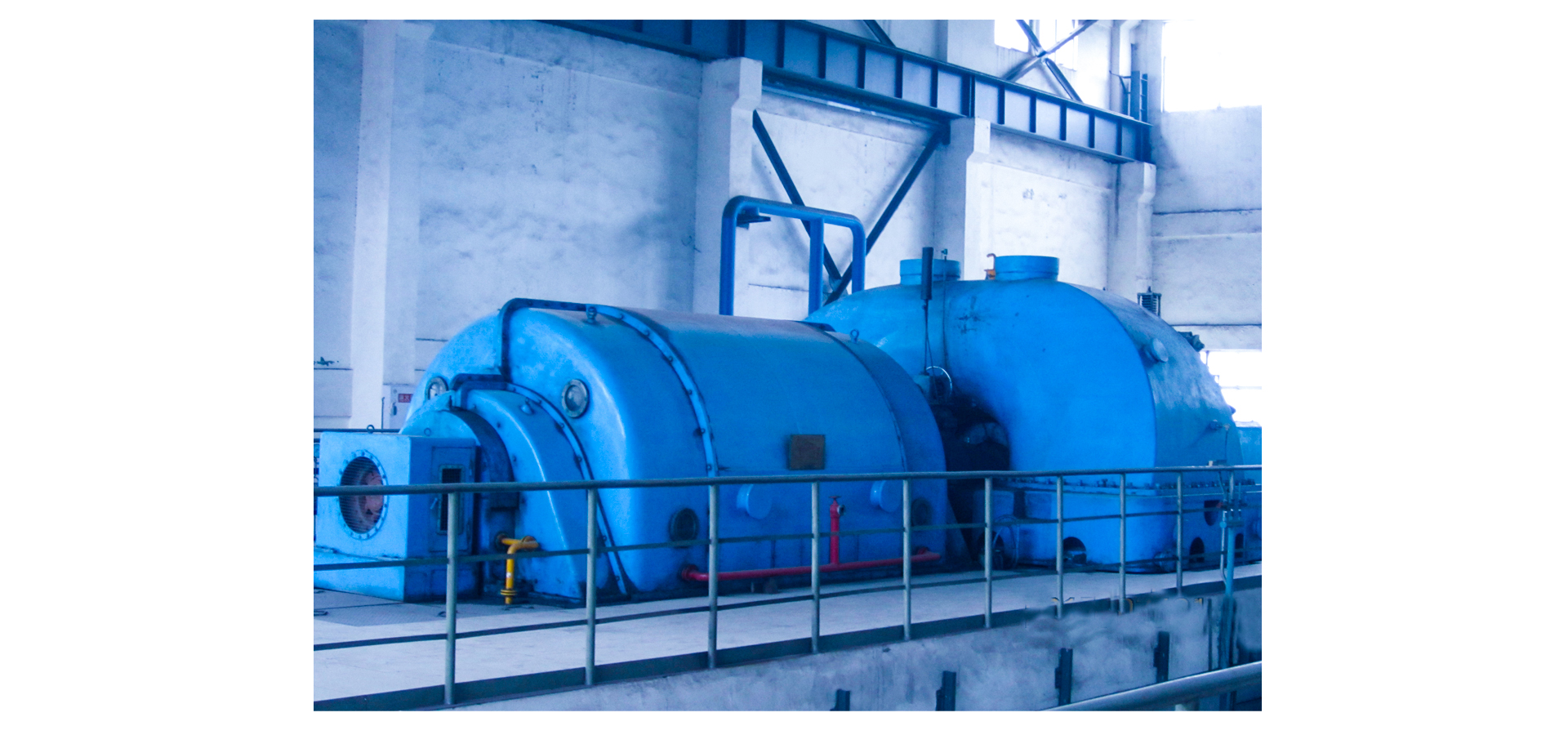
Biomass boilers have emerged as a sustainable alternative to conventional fossil fuel-based heating systems. Their ability to utilize renewable resources such as wood chips, pellets, and agricultural residues makes them attractive for reducing carbon emissions and promoting energy independence. However, operating biomass boilers on islands presents a unique set of operational challenges that require careful consideration. From logistical issues to environmental factors, biomass boiler island operational challenges are multifaceted and demand tailored solutions.
Understanding Biomass Boiler Island Operational Challenges
Islands face specific limitations that differentiate them from mainland settings. Transporting fuel, limited storage space, exposure to harsh weather, and energy demand fluctuations all contribute to the operational complexity of biomass boilers. One of the primary biomass boiler island operational challenges is the reliable and consistent supply of biomass fuel. Due to geographical isolation, fuel delivery schedules can be disrupted by storms, rough seas, or logistical bottlenecks, leading to potential interruptions in boiler operation.
In addition to fuel supply, storage capacity is often constrained on islands. Unlike mainland facilities that can stockpile large quantities of wood chips or pellets, island biomass boilers may be restricted by space limitations, which require meticulous planning of fuel usage and resupply cycles. This makes inventory management critical for maintaining uninterrupted energy production.
Fuel Quality and Its Impact on Efficiency
Another critical aspect of biomass boiler island operational challenges is maintaining consistent fuel quality. Biomass fuel can vary significantly in moisture content, particle size, and calorific value. Islands often rely on imported biomass, which can lead to inconsistencies. High moisture content in fuel can reduce combustion efficiency and increase the risk of slagging and fouling in the boiler system. Therefore, proper fuel handling, drying, and screening processes are essential to ensure optimal boiler performance.
Operators must also consider the environmental impact of using imported biomass. Transportation over long distances not only increases the carbon footprint but may also introduce contaminants such as salts or sand from coastal handling. These impurities can accelerate corrosion and wear in boiler components, posing another layer of biomass boiler island operational challenges.
Equipment Design and Maintenance Considerations
Biomass boilers installed on islands often require adaptations to cope with the specific environmental conditions. Coastal locations can expose equipment to high humidity, salty air, and fluctuating temperatures, which can accelerate corrosion and mechanical wear. Selecting corrosion-resistant materials, protective coatings, and reliable control systems is crucial for longevity and efficiency.
Maintenance also poses a unique set of challenges. Access to skilled technicians and spare parts may be limited, and shipping delays can prolong downtime. Operators must develop a preventive maintenance schedule that anticipates potential failures and ensures that critical spare parts are available on-site. Training local personnel to handle routine inspections and minor repairs can mitigate the impact of these challenges and reduce reliance on external support.
Combustion Control and Emissions Management
Effective combustion control is essential for maximizing the efficiency of biomass boilers and minimizing emissions. Islands often have strict environmental regulations due to their fragile ecosystems, making emissions management a critical aspect of biomass boiler island operational challenges. Ensuring optimal air-to-fuel ratios, monitoring combustion temperatures, and using advanced control systems can reduce the formation of particulates and nitrogen oxides.
Furthermore, ash management can be more complicated in island environments. Limited disposal options may necessitate the development of on-site solutions, such as converting ash into fertilizer or stabilizing it for safe storage. This adds another operational layer that requires careful planning and execution.
Integration with Island Energy Systems
Islands frequently rely on a mix of energy sources, including diesel generators, solar power, and wind turbines. Integrating biomass boilers into this hybrid energy system presents both opportunities and challenges. Biomass can provide a stable, controllable source of heat and electricity, complementing intermittent renewable sources. However, operators must account for load fluctuations and potential mismatches between biomass boiler output and energy demand.
Advanced control systems and smart grid technology can help balance energy supply from different sources. These systems enable predictive management, allowing biomass boilers to ramp up or down based on forecasted demand and availability of other energy sources. Addressing these integration challenges is essential for ensuring energy reliability and resilience on islands.
Economic and Logistical Factors
Economic considerations play a significant role in addressing biomass boiler island operational challenges. The cost of fuel, transportation, and maintenance can be higher compared to mainland installations. Limited economies of scale mean that small island populations may face higher per-unit energy costs. Operators must carefully evaluate the financial feasibility of biomass projects, factoring in long-term savings, government incentives, and environmental benefits.
Logistics also influence operational efficiency. Coordinating fuel deliveries with shipping schedules, managing storage capacity, and minimizing downtime require robust planning and communication. Any disruption in the supply chain can have immediate consequences on energy availability, making contingency planning critical.
Strategies for Overcoming Biomass Boiler Island Operational Challenges
To successfully operate biomass boilers on islands, operators can implement several strategies:
- Fuel Optimization: Sourcing high-quality, low-moisture biomass and implementing pre-processing techniques such as drying and pelletizing can enhance combustion efficiency.
- Preventive Maintenance: Establishing a rigorous preventive maintenance program, stocking essential spare parts, and training local personnel reduce the risk of prolonged downtime.
- Environmental Protection: Using corrosion-resistant materials, protective coatings, and emissions control systems ensures equipment longevity and regulatory compliance.
- Hybrid Integration: Leveraging smart control systems to integrate biomass boilers with other renewable and conventional energy sources improves energy stability.
- Logistical Planning: Developing robust supply chain management practices, including contingency plans for fuel delivery disruptions, ensures uninterrupted operation.
By focusing on these strategies, island operators can mitigate the challenges associated with biomass boilers, improve efficiency, and achieve sustainable energy outcomes.
Conclusion
Biomass boilers offer a promising pathway toward renewable energy and carbon reduction, but their operation in island environments requires careful planning and adaptation. Biomass boiler island operational challenges, including fuel supply, storage limitations, environmental exposure, maintenance constraints, and integration with hybrid energy systems, demand a holistic approach that addresses both technical and logistical aspects.
Through optimized fuel management, preventive maintenance, robust equipment design, and strategic integration with other energy sources, island operators can overcome these challenges. By doing so, biomass boilers can provide reliable, sustainable, and environmentally responsible energy solutions, supporting the energy needs of island communities while reducing dependence on imported fossil fuels.