Starting a backyard poultry flock can be a rewarding experience for beginners and experienced chicken keepers alike. Choosing the right breed is one of the most important decisions because it influences egg australorp chicks for sale production, temperament, care requirements, and the overall success of a poultry project. Australorp chickens are a popular choice for small farms and backyard coops because of their friendly nature, attractive appearance, and excellent laying abilities. For anyone searching for Australorp chicks for sale, understanding the breed and preparing for the birds’ arrival can make the entire process easier and more successful.
Why Australorp Chickens Are a Great Choice
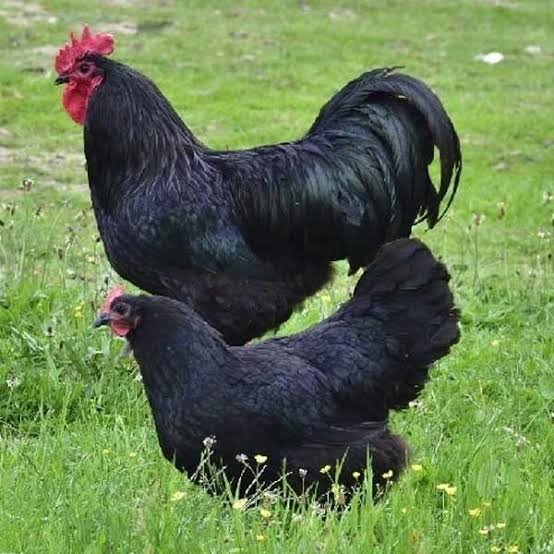
Australorps originated in Australia and were developed from Black Orpington stock. Over time, they became widely recognized for their productivity, adaptability, and calm temperament. Their glossy black feathers, often displaying greenish highlights in sunlight, give them a distinctive appearance that makes them attractive additions to a backyard flock.
One of the biggest advantages of raising Australorps is their reputation for egg production. Healthy hens receiving appropriate nutrition and care can lay approximately 200 to 300 eggs annually, although individual results depend on genetics, age, daylight, health, and management. Their eggs are generally light brown.
Australorps are also known for being relatively calm and manageable. This characteristic can make them suitable for families, hobby farmers, and people learning poultry care for the first time. However, every chicken has an individual temperament, so regular, gentle handling and proper socialization remain important.
What to Look for When Buying Australorp Chicks
Finding healthy chicks is the first step toward establishing a productive flock. When comparing Australorp chicks for sale, buyers should prioritize the health of the birds and the reputation of the seller rather than focusing exclusively on price.
Look for chicks that appear alert, active, and responsive to their surroundings. Healthy young birds generally move around comfortably, show interest in food and water, and have clean, dry feathers or down. Their eyes should be clear, and their breathing should appear normal.
Ask the seller about the chicks’ age, vaccination history, breeding background, and care conditions. If you intend to raise Australorps for egg production, ask whether the birds come from reliable laying lines. Buyers interested in breeding may also want information about the parent birds and their characteristics.
It is important to understand whether the chicks are sexed or unsexed. Sexed chicks are sold with an estimated sex based on the seller’s method, but mistakes can occur. Unsexed chicks may grow into a mixture of hens and roosters. Clarifying this information before purchasing helps you plan your coop and manage the flock appropriately.
Whenever possible, choose a seller who provides clear information about chick care and is willing to answer questions after the sale.
Prepare Your Brooder Before the Chicks Arrive
Young chicks need a warm, clean, and secure environment during their first weeks of life. A brooder provides the controlled conditions they need while their bodies develop and their ability to regulate temperature improves.
Set up the brooder before bringing the chicks home. Choose a location protected from rain, strong drafts, household pets, and excessive noise. The enclosure should provide enough room for every chick to move freely, reach food and water, and rest without crowding.
Temperature management is especially important. A common starting temperature is around 95°F (35°C) at chick level during the first week, followed by a gradual reduction of approximately 5°F (3°C) each week as the chicks grow. Adjustments should depend on their behavior and the conditions in the brooder.
Chicks that crowd tightly beneath the heat source may be cold, while those that avoid it and pant may be too warm. Birds spread comfortably throughout the brooder are generally more comfortable.
Use clean, absorbent bedding that provides secure footing. Avoid slippery surfaces, and replace wet or heavily soiled bedding promptly. Maintain good ventilation without exposing the chicks directly to cold air.
Provide Proper Nutrition and Fresh Water
Nutrition plays a major role in the growth and long-term health of Australorp chickens. During their early weeks, chicks need a complete commercial starter feed formulated specifically for their age and developmental needs.
Choose an appropriate chick starter and follow the manufacturer’s feeding instructions. Medicated and unmedicated feeds are both available, but the correct choice depends on the birds’ vaccination status, local disease risks, and veterinary guidance. Do not combine medications unnecessarily.
Fresh, clean water should always be available. Use a chick-sized drinker that allows easy access while reducing the risk of accidental drowning. Check water containers regularly because chicks can quickly contaminate them with bedding and droppings.
Avoid relying on kitchen scraps, grains, or homemade mixtures as the main diet. These foods may not provide the balanced protein, vitamins, minerals, and energy needed for healthy development.
As the birds mature, transition them to an appropriate grower feed according to their age and the manufacturer’s recommendations. Laying hens will eventually require a suitable layer ration to support egg production and shell formation.
Build a Safe and Comfortable Chicken Coop
Although chicks begin their lives in a brooder, planning their future housing early helps prevent problems later. Australorps need a coop that offers protection from predators, suitable ventilation, clean bedding, and enough space for normal movement.
The coop should be sturdy and easy to clean. Secure doors, strong wire mesh, and protected openings can help keep out common predators. Remember that ordinary chicken wire may contain chickens but is not always strong enough to prevent determined predators from entering.
Provide a covered outdoor run where the birds can explore, scratch, dust-bathe, and forage safely. Shade is particularly important in hot weather, while dry shelter and protection from harsh winds help during cooler periods.
Avoid overcrowding because it can increase competition, stress, aggressive behavior, and the spread of disease. Provide sufficient feeder and drinker space so weaker birds can access essential resources without being pushed aside.
Adult Australorps are generally adaptable, but their needs still depend on the local climate. In hot regions, reliable shade, cool drinking water, and good airflow are especially important.
Introduce Chicks to the Flock Carefully
If Australorp chicks will join an existing flock, avoid placing them directly with adult chickens. Larger birds may peck or injure smaller newcomers, and sudden introductions can create unnecessary stress.
Keep new birds separate initially and monitor them for signs of illness. A quarantine period of approximately 30 days is commonly recommended when introducing birds from another source, although a veterinarian can advise on appropriate precautions for your circumstances.
Once the young birds are sufficiently developed, introduce them gradually. Allowing the groups to see one another through a secure barrier can help them become familiar before sharing the same space.
When the birds are ready to mix, supervise their interactions and ensure there are multiple feeding and watering locations. Provide hiding places and enough room for smaller birds to move away from dominant flock members.
Patience during introductions can reduce conflict and help establish a more stable flock.
Maintain Good Health and Daily Care
Consistent daily care is essential for raising healthy Australorp chickens. Check the flock each morning and evening, paying attention to appetite, activity, breathing, movement, and general appearance.
Clean drinking containers frequently, remove spoiled feed, and keep the brooder or coop dry. Regularly inspect the birds for signs of external parasites, unusual droppings, injuries, or changes in behavior.
Establish a suitable vaccination and disease-prevention plan with a poultry veterinarian or experienced local poultry professional. Recommendations vary by location, flock size, and exposure risks.
Record important information, including purchase dates, ages, vaccinations, feed changes, health concerns, and egg production once the hens begin laying. These records make it easier to recognize changes and plan future management.
If a chick appears weak, stops eating, struggles to breathe, or develops persistent diarrhea, seek appropriate veterinary advice promptly. Separating an apparently sick bird may help protect the rest of the flock while you arrange an assessment.
Understand the Costs Before Buying
The purchase price is only one part of raising Australorp chicks. Buyers should also budget for a brooder, heating equipment, feeders, drinkers, bedding, starter feed, coop construction, predator protection, and routine health care.
Prices vary according to the seller, the age of the chicks, breeding quality, location, and whether the birds are sexed or vaccinated. Compare the overall value rather than selecting the cheapest available option.
Starting with a manageable number of chicks can help beginners learn essential poultry-care skills without becoming overwhelmed. Before purchasing, consider the space available, local poultry regulations, the cost of ongoing feed, and the number of adult birds your property can accommodate.
A realistic budget also makes it easier to prepare for unexpected veterinary expenses or repairs to the coop.
Conclusion
Choosing Australorp chicks for sale can be an excellent starting point for anyone interested in raising backyard chickens or developing a small poultry flock. Their calm temperament, attractive appearance, adaptability, and strong egg-laying potential make them appealing to many poultry keepers.
Success begins with purchasing healthy chicks from a reputable seller and preparing a suitable brooder before they arrive. Providing balanced nutrition, clean water, appropriate temperatures, secure housing, and consistent health monitoring helps young birds develop into healthy adults.
With thoughtful preparation and responsible management, Australorps can become a valuable part of a backyard poultry setup for years to come. By focusing on the birds’ needs from the beginning, new poultry owners can build a healthy, productive, and enjoyable flock.